How Technology Is Influencing Modern Art and Creativity
Technology’s impact on modern art is undeniable. It introduces new mediums, such as digital art and virtual reality, that enhance artistic expression. These innovations challenge traditional concepts of authorship and originality. As artists harness artificial intelligence, they blur the lines between creator and tool. This evolution raises important questions about the future of creativity. What implications does this shift hold for the art world and its audience?
The Rise of Digital Art: New Mediums and Techniques
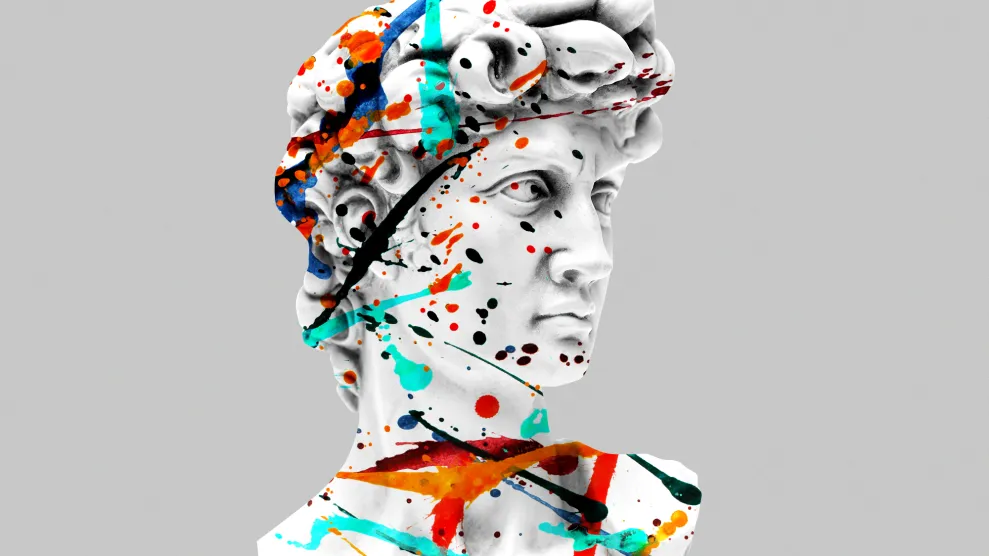
An increasing number of artists are embracing digital mediums, fundamentally transforming the landscape of modern art.
Digital painting and generative design serve as powerful tools, allowing creators to explore limitless possibilities and break traditional boundaries.
This evolution not only democratizes artistic expression but also champions innovation, inviting audiences to engage with art in unprecedented ways, thus fostering a deeper appreciation for the creative spirit.
Virtual Reality and Immersive Experiences in Art
As artists increasingly adopt virtual reality (VR) technology, the boundaries of traditional art are being redefined, allowing for immersive experiences that engage viewers on multiple sensory levels.
Virtual exhibitions and interactive installations invite audiences to participate actively, transforming passive observation into dynamic exploration.
This evolution not only enhances artistic expression but also liberates creativity, fostering an environment where imagination knows no limits.
The Role of Artificial Intelligence in Creative Processes
The advent of artificial intelligence (AI) is reshaping the landscape of creative processes in contemporary art, following the immersive experiences enabled by technologies like virtual reality.
AI collaboration enhances artistic expression, introducing algorithmic aesthetics that challenge traditional boundaries. This synergy between human creativity and machine intelligence fosters innovative possibilities, allowing artists to explore new dimensions and liberate their imaginations in unprecedented ways.
Redefining Authorship and Originality in the Digital Age
Although traditional concepts of authorship and originality have long been foundational to the art world, the digital age challenges these notions in profound ways.
Digital ownership complicates copyright challenges, as collaborative creation blurs individual contributions.
Authenticity debates now arise, questioning the value of originality in a landscape where art is shared, remixed, and redefined, thus inviting a reexamination of what it means to be an artist.
Conclusion
As the canvas of creativity expands beyond traditional borders, technology paints a vibrant tapestry of possibilities for modern art. Digital brushstrokes meld with virtual landscapes, while the whispers of artificial intelligence echo in the artist’s studio. This evolution invites both creators and audiences to dance within immersive realms, where the essence of originality is redefined. In this dynamic interplay, art becomes a living dialogue, a pulse of innovation that resonates with the heartbeat of contemporary culture.