How Technology Is Shaping the Future of Healthcare
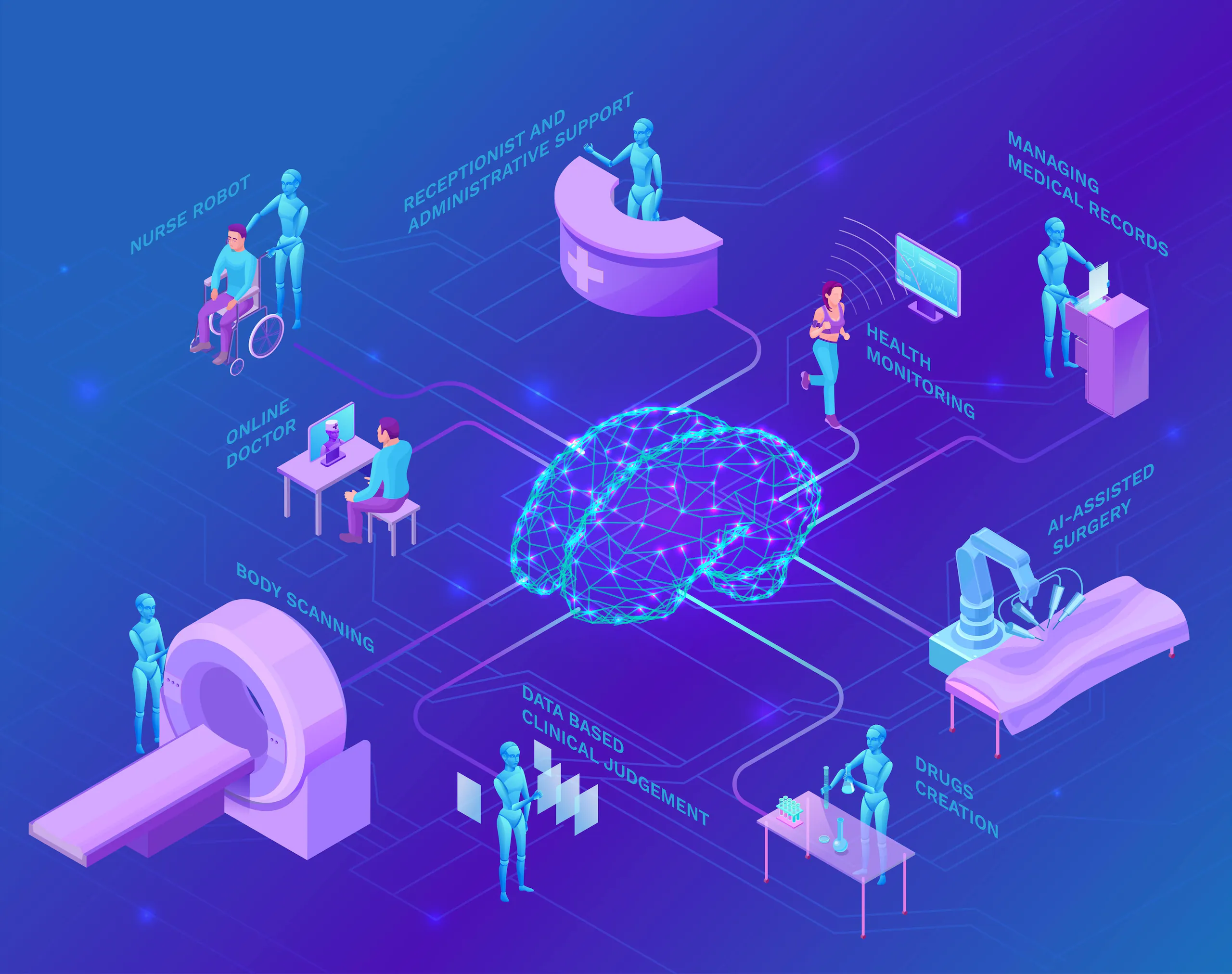
Technology is revolutionizing healthcare in profound ways. Telemedicine expands access, allowing patients to consult with providers remotely. Wearable devices enable continuous health monitoring, while artificial intelligence enhances diagnostic precision. Electronic health records streamline patient information management, fostering better communication. These advancements present both opportunities and challenges for the healthcare system. As these technologies evolve, the implications for patient care and outcomes become increasingly complex and critical. What lies ahead for this rapidly changing landscape?
The Rise of Telemedicine
As healthcare systems faced unprecedented challenges during the COVID-19 pandemic, telemedicine emerged as a critical solution, transforming how patients and providers interact.
Virtual consultations became a lifeline, allowing individuals to receive care from the safety of their homes.
Additionally, remote monitoring tools empowered healthcare professionals to track patient health effectively, fostering a new era of accessibility and convenience that championed patient autonomy in managing their health.
See also: How Technology Is Enhancing Personal Finance and Banking
Wearable Technology and Patient Monitoring
Wearable technology has revolutionized patient monitoring, enabling continuous health tracking and data collection outside of traditional clinical settings.
By facilitating remote monitoring, these devices empower individuals to take charge of their health. Advanced health analytics derived from real-time data provide valuable insights, allowing for timely interventions and personalized care.
This shift towards proactive management fosters greater autonomy and encourages healthier lifestyles among users.
Artificial Intelligence in Diagnostics and Treatment
While traditional diagnostic methods often rely on the expertise of healthcare professionals, the integration of artificial intelligence (AI) into diagnostics and treatment is transforming the landscape of medical care.
Through machine learning and predictive analytics, AI systems can analyze vast datasets to identify patterns, enhance accuracy, and support timely decision-making, ultimately empowering patients and providers alike in their pursuit of optimal health outcomes.
The Impact of Electronic Health Records on Patient Care
Although the transition to electronic health records (EHRs) has been met with some resistance, their impact on patient care is undeniably profound.
EHRs enhance patient engagement by providing accessible health information, allowing individuals to take charge of their wellness.
However, concerns regarding data security persist, necessitating robust measures to protect sensitive information while fostering a more connected, informed healthcare experience.
Conclusion
In conclusion, the integration of technology in healthcare resembles a well-tuned orchestra, where each instrument plays a vital role in creating harmonious patient experiences. Telemedicine, wearable devices, and artificial intelligence collectively enhance accessibility, empower individuals, and refine treatment processes. As electronic health records streamline information sharing, the healthcare landscape transitions towards a more efficient, patient-centered approach. Embracing these advancements not only addresses current challenges but also paves the way for proactive health management and improved outcomes for all.